


Snow swirls blindingly across the frozen expanse as the hum of a C-17 Globemaster cuts through the heavy, sub-zero air. Out of the gray sky, dozens of parachutes blossom, carrying soldiers down into a desolate, icy landscape.
Below, heavily layered troops trudge through knee-deep drifts, their breaths pluming in the freezing temperatures while Apache helicopters kick up blinding whiteout conditions upon landing.
This is the brutal, unforgiving reality of the Arctic, a place where mere survival stands as a massive feat, let alone conducting complex military maneuvers.
The 11th Airborne Division—known as the “Arctic Angels”—operates directly in this frozen wasteland.
As they stage for potential future deployments, these soldiers participate in the Joint Pacific Multinational Readiness Center (JPMRC) exercises.
This massive operation focuses entirely on testing tactical dominance and combat readiness in one of the planet’s most inhospitable climates. The environment demands absolute precision, narrowing the margin for error to almost nothing. The soldiers set up specialized winter tents and utilize tracked transport vehicles to navigate the deep snow, ensuring logistical lines remain open even when the map seemingly ends.
The JPMRC exercises push the boundaries of both human endurance and mechanical functionality.
As night falls over the training grounds, the pitch-black Arctic sky lights up. Soldiers operating heavy machine guns utilize red lasers and night-vision equipment to hold the line against simulated threats.
Every action out here is deliberate.
Combat medics practice evacuating casualties, securing them on sled-like litters and rushing them toward waiting medical helicopters. Meanwhile, infantry units coordinate tactical patrols through dense, snow-covered pine forests, and Chinook helicopters transport critical supplies and personnel to the front lines.
Gearing up for deployment requires more than just standard drills; it requires an environment that actively fights back.
The soldiers use this desolation to their advantage, turning a hostile landscape into a premier battlefield specifically designed to hone their competitive edge.
The sub-zero temperatures test weapon systems, vehicle engines, and the mental fortitude of every paratrooper on the ground. Through innovation and continuous experimentation, the division learns to stay ahead of adversaries who might also seek dominance in Arctic conditions.
For the Arctic Angels, this extreme environment remains the ultimate proving ground.
The rigorous exercises reshape their understanding of modern warfare, proving that outlasting the elements is just as critical as outmaneuvering an adversary.
The reality on the ground remains purely focused on preparation and peak operational readiness.
These Airborne units thrive in extreme conditions through sheer resolve, ensuring that when an actual deployment calls them to the freezing edge of the world, they arrive as masters of the ice.
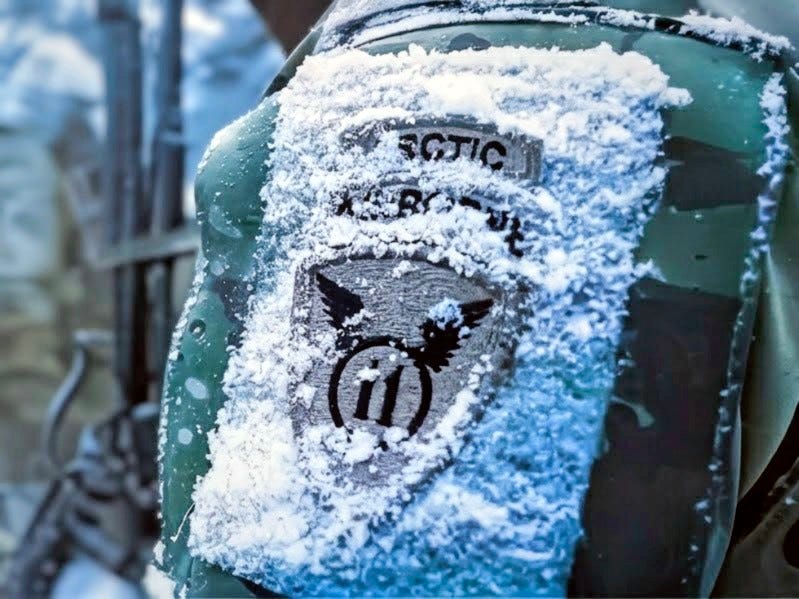
U.S. Army stages elite airborne units for deployment

Photo Gallery: Arctic Angels of the 11th Airborne


