


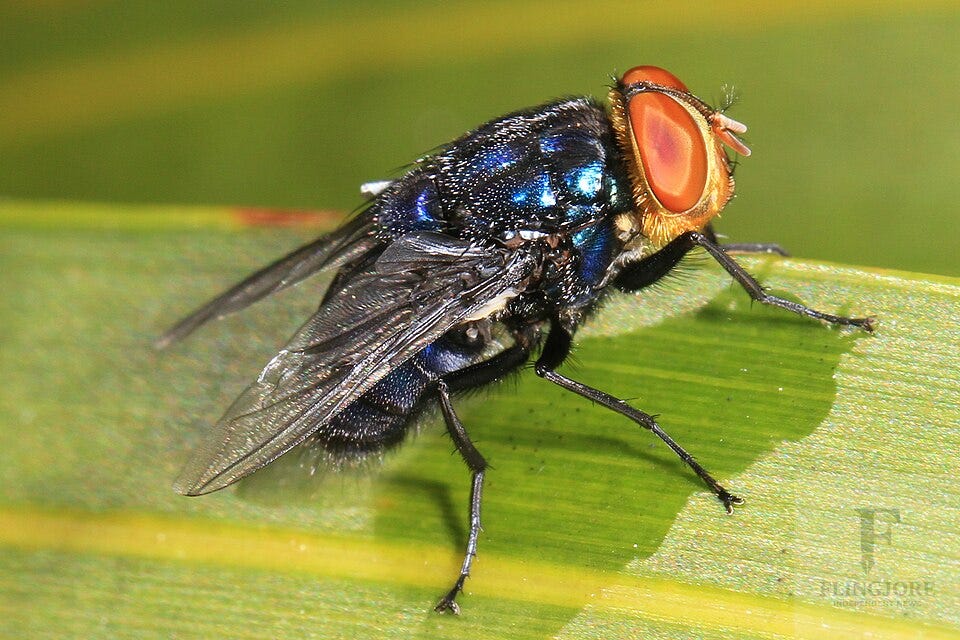
The U.S. Department of Agriculture allocated $105 million to Texas universities and research institutions to fund artificial intelligence, drone surveillance, and novel biological traps aimed at eradicating the flesh-eating New World screwworm. The funding arrived as federal and state agriculture officials battled an active 12-case outbreak that threatened the American cattle industry and disrupted international trade.
In Austin, Gov. Greg Abbott highlighted the federal influx of cash in a Thursday statement from the Office of the Texas Governor.
“Texas is no stranger to the New World screwworm threat and we are prepared to push this danger out of our state for good,” Abbott said. “These grants will empower Texans on the front lines to eradicate the screwworm and protect our livestock industry.”
USDA Secretary Brooke Rollins framed the initiative — the USDA’s New World Screwworm Grand Challenge — as a proactive modernization of agricultural defense. “We have beaten this pest before, and by leveraging innovative solutions and advancements in technology we will beat it again in record time,” Rollins said in the release.
The Reality on the Ground: A Moving Outbreak
Despite the optimistic tone of the joint announcement, the sudden reliance on experimental artificial intelligence and drone technology highlights a critical agricultural emergency. Since 2023, the CDC New World Screwworm Outbreak summary tracked the pest as it moved steadily northward through Central America and Mexico, pushing past long-established biological barriers.
The USDA confirmed the first domestic animal case of the current outbreak on June 3 in a Zavala County calf. Since then, the number of confirmed cases has grown to 11 livestock in Texas and one dog in New Mexico, according to recent updates from the American Farm Bureau Federation Market Intel .
The New World screwworm is a parasitic fly that lays its eggs exclusively in the open wounds of warm-blooded animals. The larvae consume the living flesh of the host, often causing severe tissue damage or death if left untreated. The localized emergency exposes immediate vulnerabilities in a U.S. beef supply chain already grappling with tight herd numbers.
Economic Stakes and Trade Halts
The economic stakes surrounding the outbreak are dictating urgency in Washington. While the nation’s food supply remains safe—the screwworm does not infest meat—the threat to live animals carries severe market implications.
The U.S. previously closed its southern ports to Mexican livestock due to the outbreak’s spread in Mexico, and the Mexican government has subsequently halted the importation of almost all live animals from the U.S. following the Texas detections, according to a PBS NewsHour report on the cattle industry threat.
During a recent House Agriculture Committee hearing broadcast by Iowa PBS, lawmakers from cattle-producing states pressed Rollins on the threat posed to the livestock sector.
“Why should Kansas ranchers and consumers facing high beef prices have confidence that the USDA has this under control?” asked Rep. Sharice Davids, D-Kansas.
Rollins reassured the committee that the USDA has deployed personnel and established 20-kilometer quarantine and surveillance zones around detection areas to isolate each case.
Deploying the $105 Million Arsenal
To combat the immediate and long-term threats, the USDA distributed the Grand Challenge grant funding across 40 projects nationwide, with a heavy concentration directed at Texas institutions. Researchers at Texas Tech University, Texas A&M AgriLife Research, The University of Texas at Arlington, The University of Texas Medical Branch at Galveston, and The University of Texas Rio Grande Valley led overlapping defense protocols.
The funded projects pivot away from strictly traditional containment and toward high-tech warfare.
Initiatives include:
AI-Enabled Surveillance: Developing remote sensing and machine learning networks capable of identifying infected livestock via early wound development before human inspectors spot them.
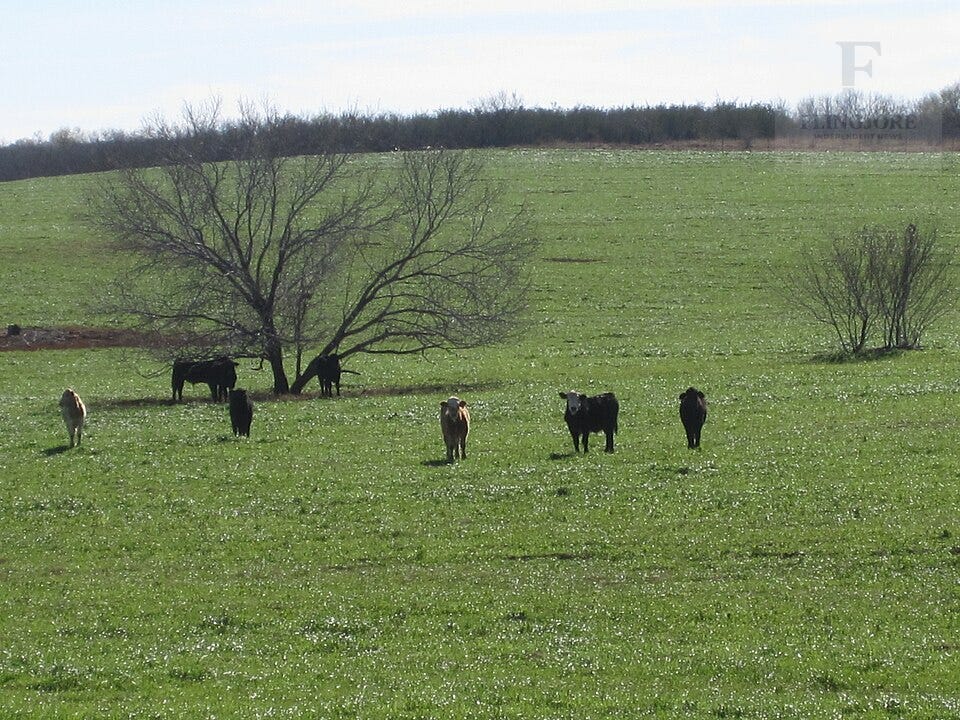
Drone Monitoring: Deploying autonomous drones to scout remote pastures for infected wildlife and uncooperative cattle, reducing the immense manual labor costs for ranchers who must inspect herds daily.
Next-Generation Sterilization: Expanding research into alternative sterilization methods. The historical eradication method relies on releasing sterilized male flies, and the USDA is heavily investing in a new $750 million sterile fly production facility in Edinburg, Texas, expected to open in late 2027.
Novel Traps and Therapeutics: Engineering advanced chemical attractants to map the spread of the flies and stockpiling localized treatments for domestic animals.
Strict Public Directives
While university labs scaled up their technological solutions, state agriculture officials reiterated strict guidance for ranchers, property owners, and the general public.
Authorities urged Texans to continuously inspect livestock, working animals, and domestic pets for any suspicious wounds or unusual lethargy. The public must never transport animals suspected of carrying a screwworm infection.
Any suspected cases in domestic animals must be reported immediately to the Texas Animal Health Commission’s 24-hour veterinarian call line at 1-800-550-8242. Cases involving wildlife require direct contact with Texas Parks and Wildlife biologists at 512-389-4505. Additional emergency resources remain available through the USDA confirmation portals.